 Insurance Basics: Home
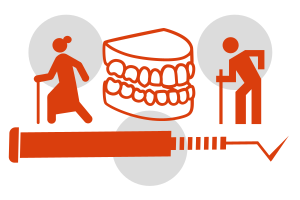
Getting dental care is at least as important when you're older as when you're younger, and maybe more so. Past dental problems may require additional treatment over time, such as when a filling becomes broken or chipped.
Most health plans cover medically necessary visits to an eye doctor. Sometimes they cover routine eye exams too, but to get complete vision coverage you may have to go to other sources. This article will tell you about those sources.

If you´re a woman, you have different healthcare needs than men. Women may need access to birth control, or prenatal and maternity care.
If you have an ongoing illness or need a complicated procedure, it’s a good idea to get an FH Total Treatment Cost estimate.
New rules have expanded access to two types of limited health insurance plans. They are association health plans (AHPs) and short-term, limited duration (STLD) health plans. Because they don’t have to follow the Affordable Care Act, these plans can cost less than regular health plans. But, they have limitations you should know.
If you’re planning a trip, the last thing you may want to think of is healthcare. But accidents and
illnesses can happen on the road as well as at home. Here are the basics on using health insurance while
traveling.